

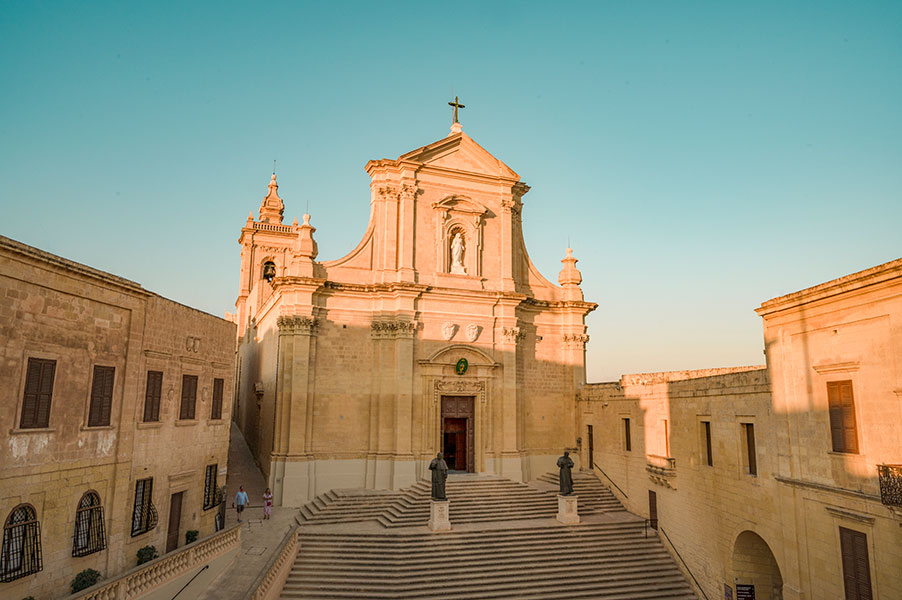
Standing proudly in the heart of Victoria, Gozo, the Citadel—or Cittadella Gozo—is one of the island’s most iconic landmarks. Rising over 140 metres above sea level, this fortified city has stood witness to sieges, conquests, and resilience, shaping the entire history of Gozo. Today, it offers a breathtaking mix of architecture, culture, and sweeping panoramic views that place it high on the list of things to do in Gozo.
A Stronghold with Ancient Roots
Gozo has been inhabited for over 7,000 years, and the Citadel in Gozo has likely been its defensive heart since those early times. Its elevated position made it a natural refuge for settlers, offering protection from Mediterranean raiders. The first fortifications date back to around 1500 BC.
By 700 BC, the Phoenicians arrived, strengthening the defenses. Then, in 218 BC, the Romans further reinforced the stronghold, embedding the Citadel of Gozo deeper into the island’s story.
Conquests and Rebuilds
From Byzantine rule in 535 AD to Arab conquest in 870 AD, the Citadel saw countless power shifts. During Arab rule, it was known as Mdina, a reflection of its status as a fortified city. The Normans, arriving in 1127, marked the start of European control. For centuries, the site was adapted and expanded by Swabian, Angevin, and Aragonese rulers.
The first recorded siege came in 1283, when Aragonese captain Ruggiero Lauria took the fortress. Yet by 1510, its fortifications were crumbling—leaving Gozo dangerously exposed.
The 1551 Siege: A Turning Point
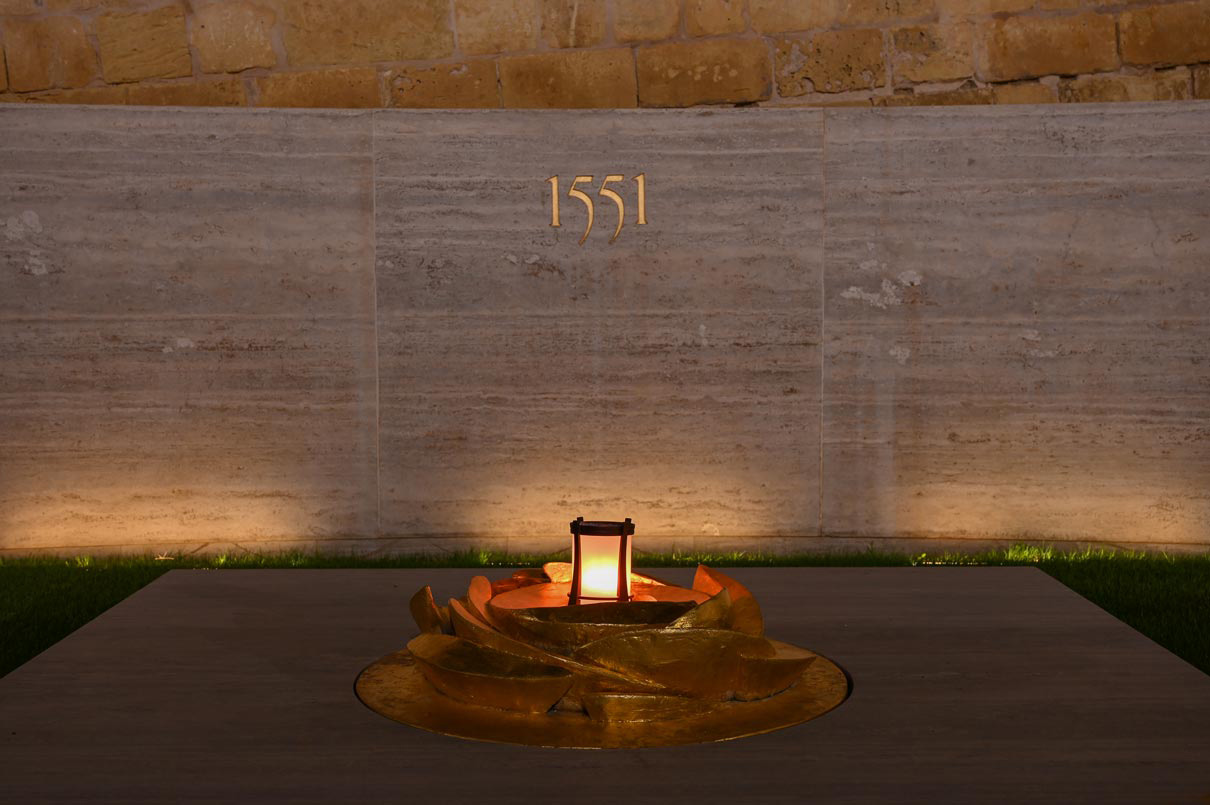
A solemn monument at the Citadel in Gozo marks the 1551 Ottoman siege, when over 5,000 Gozitans were taken into slavery—a defining moment in Gozo’s history
July 1551 marked a devastating moment in the history of Gozo. Ottoman forces led by Sinan Pasha and corsair Dragut launched a massive invasion. The island’s governor, Galatian de Sessè, surrendered the Citadel, and nearly the entire population—over 5,000 Gozitans—was taken into slavery. A small monument near the entrance remains a quiet reminder of this tragic chapter.
The Rebirth of the Citadel

The Citadel in Victoria, Gozo glows at sunset—an iconic fortress rich in history and a must-visit site in Gozo.
Despite the trauma, Gozo’s people slowly returned and rebuilt. Major fortifications were added in 1599 under engineer Giovanni Rinaldini, including St. Michael Bastion and gunpowder magazines. This gave the Citadel in Gozo its current form—imposing, protective, and unyielding.
Though never again tested in warfare, the Citadel remained a symbol of resilience. When Napoleon’s forces occupied Gozo in 1798, it was surrendered without bloodshed. A local uprising soon after saw the French leave, returning the fortress to the Gozitans.
A Timeless Monument

The Cathedral of the Assumption in the heart of Gozo’s Citadel, a majestic Baroque landmark rich in history and architectural beauty
Under British rule from 1800 onwards, the Citadel lost its military relevance but retained its cultural importance. During World War II, tunnels were carved beneath it to shelter civilians during bombings.
Today, the Citadel Gozo stands as one of the top places to visit in Gozo. Its 360-degree views of the island are unmatched—rolling hills, baroque domes, the sea on the horizon—making it a photographer’s dream and a highlight among Gozo historical sites.
Exploring the Citadel Today

Step inside history at the Old Gozo Prison—once used by the Knights of St. John and now a compelling stop inside the Citadel complex
Inside the Citadel walls, history comes to life:
- The Cathedral of the Assumption – A majestic Baroque church built over a Roman temple, with an iconic illusionist ceiling. It is home to the beautiful statue of Santa Marija which is paraded in the street of Victoria every 15th August.
- The Citadel Visitor Centre – Offering interactive exhibits tracing the full timeline of the Cittadella Gozo.
- The Old Prison – Known for its medieval graffiti carved by inmates held by the Knights of St. John.
- Several Museums – including the Museum of Science, Folklore Museum, Archaeology Museum – managed by Heritage Malta – get tickets here.
- Granaries, barracks, winding streets – Hidden alleys and limestone details reveal the layers of Gozo’s past.

This beautiful statue of Santa Marija is paraded through the streets of Victoria during a solemn procession on the 15th of August—a public holiday across the Maltese Islands marking the Feast of the Assumption.
A Must-See for Every Traveller
Whether you’re looking for things to do in Gozo Malta, interested in Gozo historical sites, or simply seeking panoramic beauty and peace, the Citadel of Gozo should top your itinerary. It’s more than a monument—it’s a living, breathing part of Gozo’s soul.
And for those staying at Maria Rosa Suites, you’re in luck—the Citadel is just a short stroll away. Literally a 2-minute walk at most. Take your time wandering the ramparts, soaking in the stories and views, and experience one of the most remarkable places to visit in Malta and Gozo.


